

AI: A Double-Edged Sword – Ally or Adversary?
Artificial Intelligence (AI) definition and detailed synopsis
AI, also known as artificial intelligence, refers to the development of computer systems that are capable of performing tasks that typically require human intelligence. This includes speech recognition, decision-making, problem-solving, and learning. Artificial Intelligence technology involves the use of algorithms and computational power to process vast amounts of data and simulate human cognitive abilities.
Importance and integration of Artificial Intelligence in various fields
Artificial Intelligence has become increasingly important and prevalent in various fields, revolutionizing industries and transforming the way we live and work. Its integration has been particularly significant in areas such as healthcare, finance, transportation, and manufacturing. By harnessing AI’s capabilities, organizations can enhance efficiency, improve accuracy, and unlock new possibilities in their respective sectors.

AI in History
A. Origins and early developments of Artificial Intelligence
The concept of Artificial Intelligence traces back to the 1950s when pioneering researchers began exploring the idea of creating machines that could replicate human intelligence. Mathematician and computer scientist Alan Turing made significant contributions to this field with his theoretical framework for machine intelligence. Over the following decades, Artificial Intelligence research gained momentum, leading to breakthroughs in areas such as expert systems, natural language processing, and neural networks.
B. Key milestones in the evolution of Artificial Intelligence technology
Several key milestones can mark the evolution of Artificial Intelligence technology. One notable advancement was the development of IBM’s Deep Blue, a chess-playing computer that defeated world chess champion Garry Kasparov in 1997. This victory showcased AI’s potential for complex problem-solving. Other milestones include IBM’s Watson winning the game show Jeopardy! the emergence of personal voice assistants like Siri and Alexa, and the advancements in machine learning algorithms such as deep learning.
You Might be Interested In!

Artificial Intelligence Wonders: 5 Powerful Genie-Like Uses of AI

What is the role of AI in climate science?

What are the benefits of AI writing tools?

What If the Robots Were Very Nice While They Took Over the World?

Confessions of a Viral AI Writer

How AI transform the future of healthcare industry?
Artificial Intelligence as a Friend: Potential Applications
- Artificial Intelligence’s potential applications span a wide range of aspects of everyday life. Let’s delve into some examples to explore the ways AI can be our friend:
- Personal assistants such as Siri, Alexa, and Google Assistant have become integral parts of our daily routines, helping us with tasks like setting reminders, answering inquiries, and playing music effortlessly.
- Healthcare has significantly benefited from AI, with applications such as medical imaging analysis, disease diagnosis, and drug discovery. Artificial Intelligence-powered robots also assist in surgeries, enhancing precision and reducing human error.
- The automotive industry has witnessed the integration of Artificial Intelligence in self-driving cars, making transportation safer and more efficient.
- Artificial Intelligence algorithms have improved financial services by facilitating fraud detection, recommendation systems, and personalized investment strategies.
- Artificial Intelligence is also making strides in the creative sector, aiding in content generation, video editing, and even composing music.
Navigating Artificial Intelligence’s Ethical and Social Challenges
- While the potential of Artificial Intelligence is promising, it also presents various ethical and social challenges that must be considered and navigated responsibly.
A. Job displacement and economic implications
- The rapid advancement of Artificial Intelligence technology raises concerns about job displacement. Artificial Intelligence has the capacity to automate many tasks traditionally performed by humans, leading to potential unemployment and shifts in the job market. Policymakers and industries need to proactively address these challenges and explore opportunities for reskilling and upskilling the workforce to meet the demands of an Artificial Intelligence-driven economy.
B. Privacy and data security challenges
- The integration of Artificial Intelligence involves the collection and analysis of vast amounts of data. This raises concerns about privacy and data security. Ensuring that personal information is handled with care and defining robust regulations and standards are essential to mitigate potential risks and protect individuals’ rights.
C. Ethical Dilemmas surrounding Artificial Intelligence Decision-making
- Artificial Intelligence decision-making raises ethical dilemmas, particularly when it involves situations with significant human impact. Questions arise regarding the accountability and responsibility of Artificial Intelligence systems in decision-making processes, such as autonomous vehicles making split-second choices in potential accident scenarios. Addressing these dilemmas requires the development of ethical frameworks and guidelines for Artificial Intelligence development and deployment.

Artificial Intelligence Risks and Potential Hazards
While AI offers numerous benefits, it also poses risks and potential hazards that demand attention and caution.
A. Artificial intelligence – A potential existential threat
Speculation has arisen about the possibility of Artificial Intelligence evolving beyond human control, potentially becoming a threat to humanity itself. While this scenario remains largely hypothetical, it emphasizes the importance of responsible Artificial Intelligence development, ensuring robust safety measures and comprehensive risk assessments.
B. Artificial Intelligence weaponization and military uses
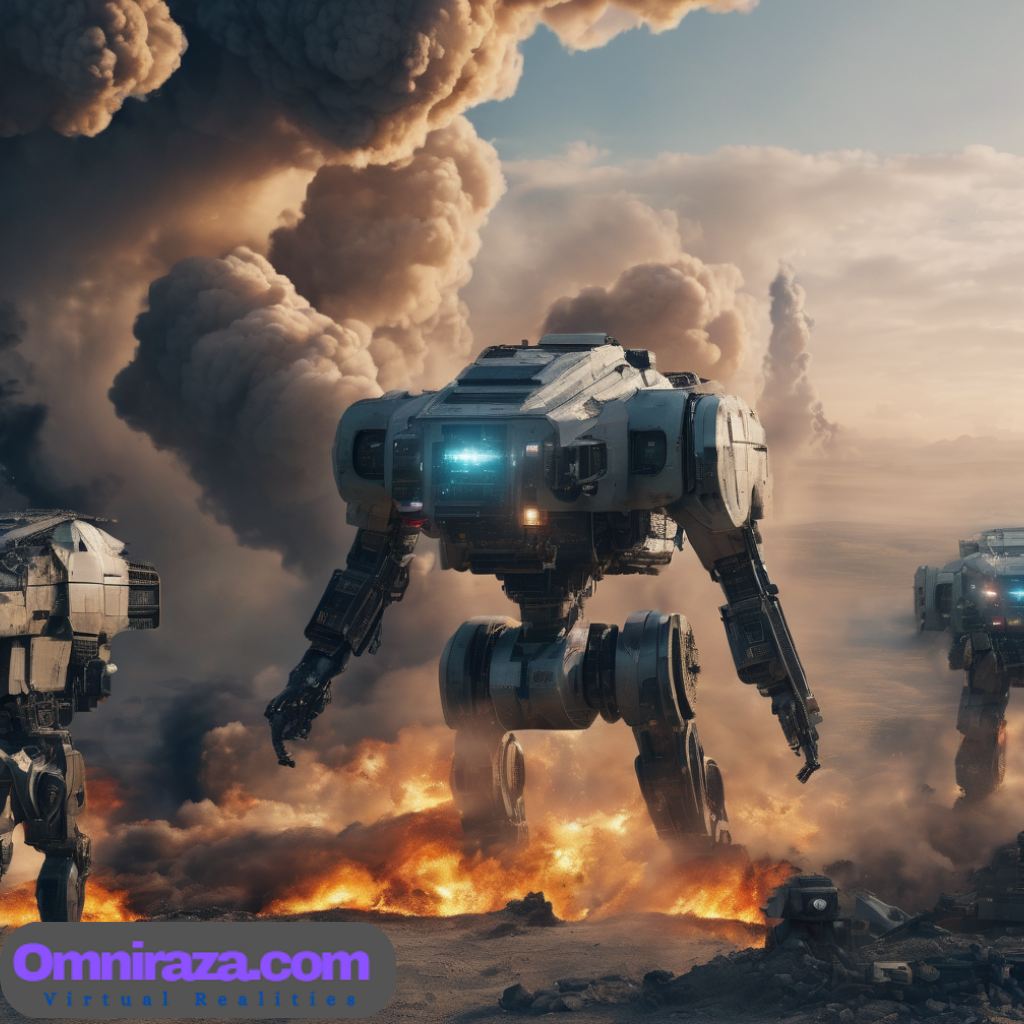
The military applications of Artificial Intelligence raise concerns about the potential for autonomous weapon systems and the challenges associated with maintaining human control and accountability. Striking the balance between efficiency and ethical implications is crucial to prevent the misuse of AI in the realm of warfare.
C. Artificial intelligence (AI) prejudice and manipulation
Artificial Intelligence systems can inadvertently perpetuate existing biases and prejudices present in the data they are trained on, leading to discriminatory outcomes. Additionally, there is a risk of malicious actors manipulating Artificial Intelligence algorithms for nefarious purposes, such as spreading misinformation or orchestrating targeted propaganda campaigns. Developing mechanisms to address and rectify these biases and potential manipulations is vital.
Achieving Responsible Artificial IntelligenceDevelopment
To ensure the responsible development and deployment of Artificial Intelligence, various actions must be taken at both governance and industry levels.
1. Artificial Intelligence Regulation and Governance Advancement
Regulatory frameworks need to be established to ensure compliance with ethical standards, privacy protection, and accountability. Governments and international organizations must collaborate to create laws and policies that keep pace with Artificial Intelligence advancements and prevent potential misuse.
2. Artificial Intelligence ethical frameworks and guidelines
The development of comprehensive ethical frameworks and guidelines is necessary to guide the ethical design, development, and deployment of Artificial Intelligence systems. These frameworks should encompass considerations such as fairness, transparency, safety, and privacy to address the potential risks associated with AI technology.
3. Encouraging openness and accountability in Artificial Intelligence systems
Transparency and accountability are crucial in ensuring responsible Artificial Intelligence development. Developers and organizations should foster a culture of openness and transparency, conducting audits and assessments to understand and address biases, and proactively communicating the limitations and risks associated with Artificial Intelligence systems.
Human-Artificial Intelligence Collaboration
Rather than viewing Artificial Intelligence as a threat, exploring the potential for collaboration and coexistence between humans and AI systems can lead to transformative outcomes.
A. Coexistence and collaboration between humans and Artificial Intelligence
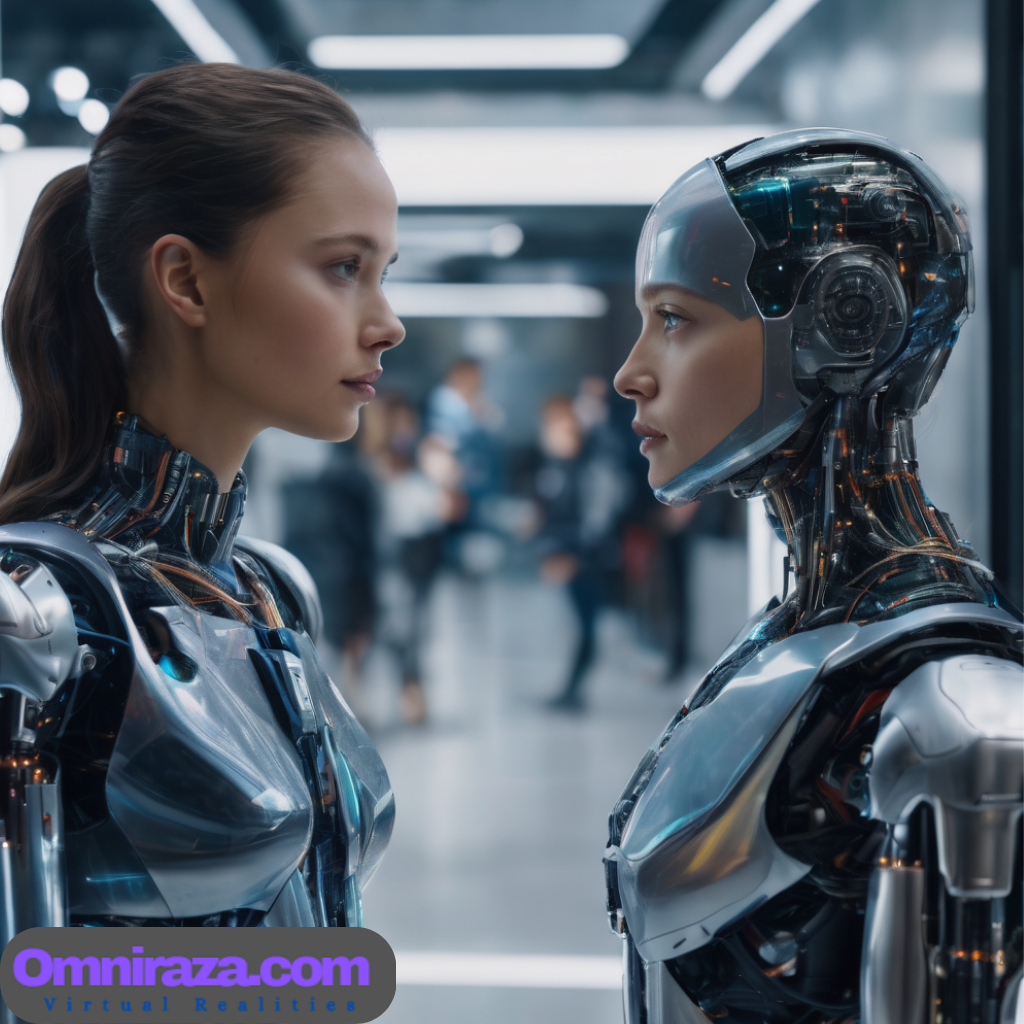
Rather than replacing humans, Artificial Intelligence has the potential to complement and enhance human capabilities. By leveraging AI systems to assist in decision-making, problem-solving, and data analysis, humans can focus on higher-level cognitive tasks and creativity.
B. Artificial Intelligence augmenting human capabilities in various domains
Artificial Intelligence can augment human capabilities in fields such as medicine, research, and space exploration. By leveraging Artificial Intelligence’s ability to process vast amounts of data and identify patterns, humans can benefit from more accurate diagnoses, scientific discoveries, and advancements in knowledge.
C. Exploring the potential of Artificial Intelligence-human symbiosis
The concept of symbiotic relationships between humans and AI suggests a future where humans and Artificial Intelligence systems work collaboratively in a mutually beneficial manner. This vision involves the development of Artificial Intelligence systems that continuously learn from human interactions, adapt to individual needs, and support human decision-making processes.
Future-Shaping Artificial Intelligence
As Artificial Intelligence continues to evolve, its impact on the job market, global challenges, and future developments becomes increasingly significant.
A. Artificial Intelligence’s impact on the job market and future skill requirements
The integration of Artificial Intelligence in various industries will inevitably reshape the job market, requiring individuals to develop new skills and competencies. While certain jobs may become obsolete, new roles that capitalize on Artificial Intelligence technologies will emerge. Adaptation and lifelong learning will become essential for navigating this changing landscape.
B. The role of Artificial Intelligence in addressing global challenges
Artificial Intelligence has the potential to address some of the world’s most pressing challenges, such as climate change, healthcare accessibility, and resource allocation. Its ability to process and analyze vast amounts of data can inform evidence-based decision-making, lead to more efficient resource management, and empower previously unattainable solutions.
C. Predictions and forecasts of Artificial Intelligence’s future developments
As Artificial Intelligence technology advances, predictions and forecasts indicate further progress in areas such as natural language processing, robotics, and healthcare. While it is difficult to predict the exact trajectory of artificial intelligence’s future, it is clear that Artificial Intelligence will continue to evolve and reshape multiple facets of society.

Summary
As we navigate the impact of Artificial Intelligence on our lives, it becomes evident that Artificial Intelligence possesses both immense potential as an ally and certain risks as a threat. Responsible AI development, coupled with collaboration and proactive measures to address ethical concerns, can ensure that we harness the benefits of Artificial Intelligence while minimizing the associated risks.
FAQs
A. What is the current level of Artificial Intelligence development?
Artificial Intelligence development is at an advanced stage, with significant advancements in areas such as machine learning, natural language processing, and computer vision. However, the field of Artificial Intelligence continues to evolve rapidly, with ongoing research and breakthroughs contributing to its continued development.
B. What are some successful Artificial Intelligence applications today?
Some successful Artificial Intelligence applications today include virtual assistants like Siri and Alexa, autonomous vehicles, healthcare diagnosis and treatment support systems, fraud detection algorithms, and recommendation systems in various industries.
C. How can we address the ethical concerns surrounding Artificial Intelligence?
Ethical concerns surrounding Artificial Intelligence can be addressed by establishing regulatory frameworks, developing comprehensive ethical guidelines, fostering transparency and accountability in AI systems, and promoting interdisciplinary collaborations to ensure that Artificial Intelligence is developed and deployed responsibly.
D. Can Artificial Intelligence truly replace human intelligence?
While Artificial Intelligence is capable of performing certain tasks that traditionally require human intelligence, it is unlikely to fully replace human intelligence. Rather, Artificial Intelligence has the potential to augment human capabilities and facilitate collaboration in various domains.

1 Comment
Pingback: Generative AI: Empowering Or Threatening Cybersecurity & National Defence - OmniRaza